




By Jelili Gbadamosi
Babajide Sanwo-Olu, Lagos State Governor, has said tackling the state’s housing challenges requires more than increasing the number of houses, stressing the need to make accommodation affordable, accessible and supported by essential infrastructure.
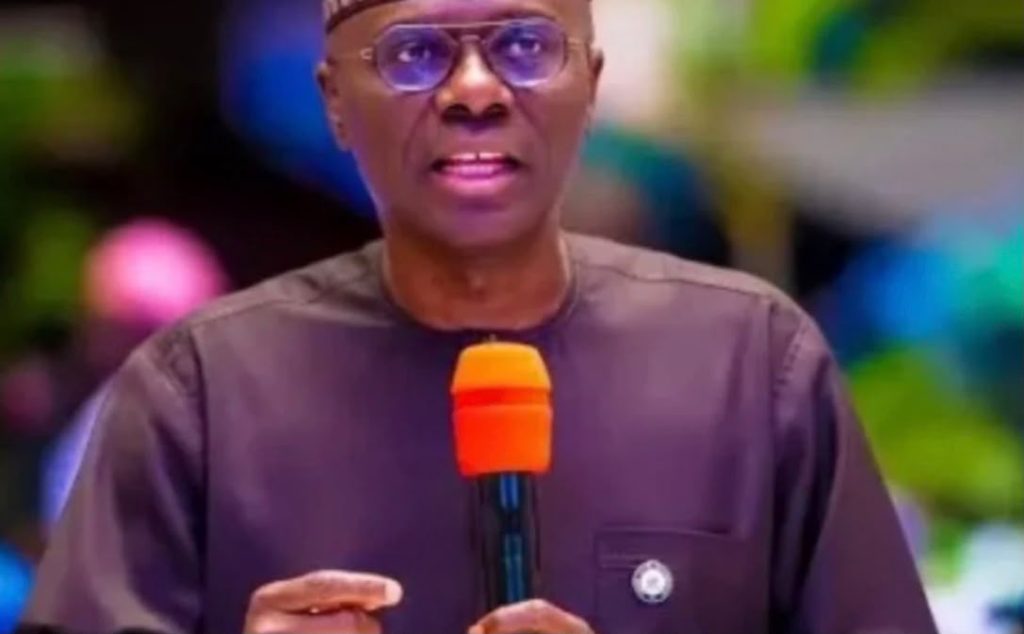
Sanwo-Olu made the remarks on Monday as Lagos joined the rest of the world to mark the 2026 World Habitat Day, themed “Adequate Housing for All.”
In an address delivered by the Commissioner for Housing, Moruf Akinderu-Fatai, the governor said a building could not be considered adequate housing simply because it provided shelter.
He said residents must also have access to security, affordable rent or home ownership, roads, drainage, electricity, water and other basic services.
Sanwo-Olu said his administration had delivered 10,623 housing units through direct government funding and public-private partnerships since 2019, resulting in the completion of 23 housing estates across the state’s five divisions.
He, however, acknowledged that the projects represented only part of what was required to meet Lagos’ growing housing demand.
The governor said the state was also promoting home ownership through schemes such as Lagos HOMS and the Rent-to-Own initiative, while five ongoing housing projects were expected to add 1,584 units to the housing stock.
He said the government was equally pursuing tenancy reforms designed to protect residents from arbitrary rent increases and unlawful charges.
Sanwo-Olu stressed that housing development must be accompanied by adequate infrastructure, warning that poorly planned communities could create additional challenges for residents.
He urged developers, financial institutions, planning professionals, traditional rulers and community leaders to work with government in creating safe and sustainable communities.
Also speaking at the event, the Commissioner for Physical Planning and Urban Development, Oluyinka Olumide, said Lagos’ rapidly growing population was placing increasing pressure on land, housing and urban services.
Olumide said adequate housing must be linked to transportation, employment, healthcare, education, security, water, sanitation and effective urban planning.
Meanwhile, the Founder of the Africa International Housing Show, Festus Adebayo, said the rising cost of housing had become both an economic and social problem.
Adebayo noted that many young graduates and working families now spend a substantial part of their income on rent and transportation, leaving little money for savings, investment or home ownership.
He called for improved access to land and housing finance, arguing that the success of housing policies should be measured not only by the number of houses built but also by the number of people who can realistically afford them.
The Nigerian Institute of Town Planners also called for stronger collaboration between government and professionals to promote sustainable urban development.
The General Manager of the Lagos Informal Space Management Authority, Daisi Oso, said the focus of World Habitat Day should extend beyond constructing buildings to creating communities that are safe, accessible, peaceful and sustainable.