





By Jelili Gbadamosi
The Socio-Economic Rights and Accountability Project (SERAP) has given the Independent National Electoral Commission (INEC) seven days to release technical assessments and cybersecurity audit reports on its electoral technologies ahead of the 2027 general elections.
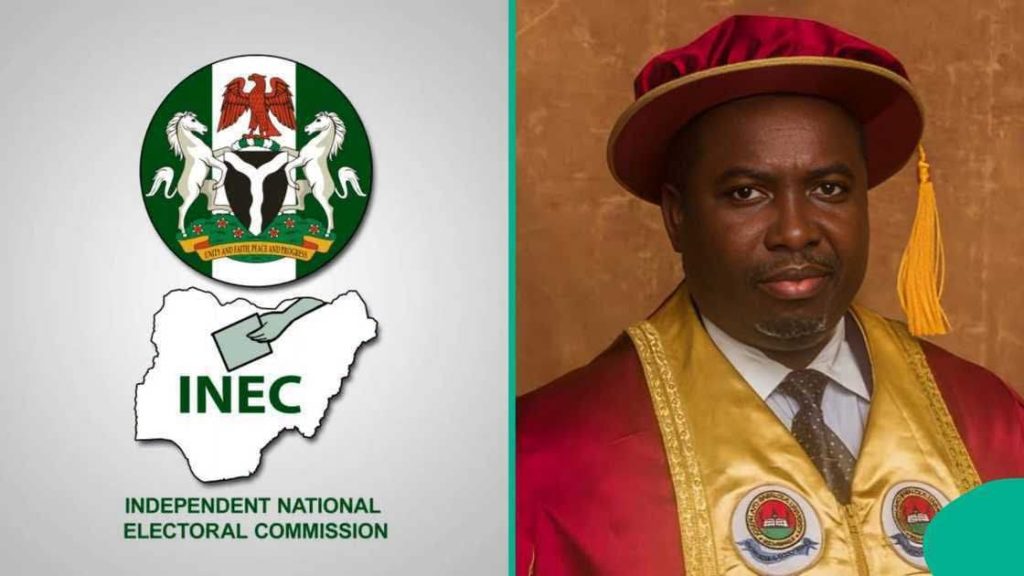
The organisation made the demand in a Freedom of Information request dated November 28, 2026, addressed to INEC Chairman, Prof. Joash Amupitan, and signed by its Deputy Director, Kolawole Oluwadare.
SERAP’s request comes amid concerns over the reliability and security of the Bimodal Voter Accreditation System (BVAS) and the INEC Result Viewing Portal (IReV), particularly following the commission’s nationwide mock accreditation and result-upload exercise conducted on November 28.
The exercise, which covered 17,676 polling units, was organised to evaluate the performance of BVAS, test voter accreditation and assess the electronic transmission of polling-unit results.
Although INEC expressed satisfaction with the performance of the accreditation system, especially its improved fingerprint recognition, reports from some states highlighted technical difficulties, including malfunctioning devices, delays in the arrival of electoral officials and voter identification challenges.
Against this backdrop, SERAP urged INEC to publish the findings of the mock exercise, including identified weaknesses, corrective measures, accreditation figures and the effect of low voter turnout on the exercise.
The organisation also requested independent technical assessments, cybersecurity reviews, penetration-testing reports and records of measures taken to address vulnerabilities in the commission’s electronic electoral systems.
It further called for the disclosure of security arrangements protecting INEC’s servers, databases and electoral information against unauthorised access, interference or manipulation.
SERAP maintained that Nigerians should have access to credible technical evidence demonstrating that the electoral technologies are reliable, secure and independently verifiable.
It argued that public confidence in the 2027 elections should not depend solely on assurances from INEC or its technology providers but should be supported by independent scrutiny and accountability.
The organisation cited provisions of the Electoral Act 2026, particularly Sections 47, 60 and 62, which address technological voter accreditation, electronic transmission of polling-unit results and the National Electronic Register of Election Results.
It also referenced Article 9 of the African Charter on Human and Peoples’ Rights and Article 19 of the International Covenant on Civil and Political Rights, which guarantee access to information.
While acknowledging the need to protect sensitive security details, SERAP insisted that such considerations should not prevent the disclosure of relevant audit findings and other information necessary for public accountability.
The organisation warned that failure to provide the requested documents within seven days of receiving or the publication of its letter could prompt legal action against INEC to enforce its statutory obligations.
SERAP said releasing the information before the 2027 general elections would allow civil society organisations, independent experts and Nigerians to assess the commission’s preparedness and identify potential weaknesses in its electoral technology.