




By Jelili Gbadamosi
Thousands of Nigerian families are still searching for answers about loved ones who disappeared during insurgency and other conflicts, with about 17,000 people currently unaccounted for, the International Committee of the Red Cross (ICRC) has said.
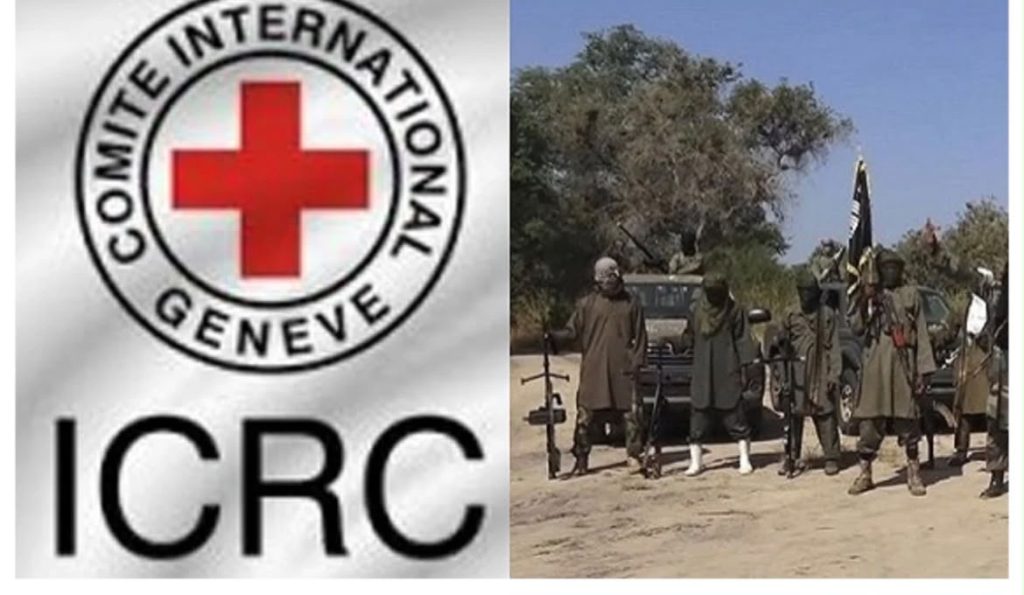
The figure was disclosed on Wednesday in Yola, Adamawa State, ahead of the International Day of the Disappeared, marked annually on August 30.
According to the ICRC, about 3,000 of the missing persons are from Adamawa State, while most of the cases were linked to insurgency-affected communities in the North-East and other conflict areas.
The latest figure represents a reduction from the 23,659 cases recorded by the organisation last year.
The Protection of Family Links Delegate at the ICRC Mubi office, Emeline Montel, said the figures were based on cases formally documented by the organisation in its efforts to help families trace missing relatives and restore contact.
Montel spoke during a sanitation exercise, street cleaning, remembrance and awareness campaign organised by relatives of missing persons with the support of the ICRC.
For families affected by the disappearances, however, the decline in the number of documented cases has not ended their ordeal.
Participants said the activities were intended to draw attention to the hardship faced by families who continue to live without knowing the fate of their loved ones.
They noted that many of the missing persons were young people and family breadwinners whose disappearance had left relatives facing serious emotional and financial difficulties.
Habiba Mustapha, a member of the Association of Families of Disappeared Persons, said four of her relatives had remained missing.
Mustapha, who is originally from Gwoza in Borno State but was displaced to Adamawa, said her family had suffered prolonged emotional distress and economic hardship since the disappearances.
“The disappearance of my relatives is a continuing source of emotional stress and economic difficulty,” she said, adding that the situation had also affected the education and welfare of children in the family.
The ICRC continues to work with families and relevant authorities to establish the whereabouts of missing persons and help relatives obtain information about their loved ones.