




By Jelili Gbadamosi
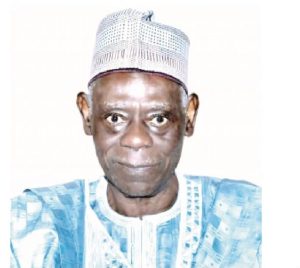
Anthony Sani, Former National Secretary of the Arewa Consultative Forum (ACF), has attributed the rising incidence of political violence in Nigeria to youth unemployment, lack of ideological differences among political parties and the involvement of individuals with questionable character in politics.
Sani said the increasing rate of political intolerance was also driven by the desperation of politicians to win elections at all costs, describing Nigerian politics as a zero-sum game in which winners take everything while losers are left in poverty.
He made the remarks in an interview with Nigerian Tribune, where he examined the growing tension among political parties and their supporters ahead of the 2027 general elections.
According to him, political campaigns have increasingly become breeding grounds for violence because political parties and candidates have failed to focus on issues and policy proposals that would help voters make informed decisions.
He said, “Politics is about the fastest way of becoming rich in Nigeria. And because anybody can claim to be a politician, many people of shady character rush into politics to become rich.”
Sani identified the availability of unemployed, poor and out-of-school youths as another major factor contributing to political violence, noting that politicians easily recruit them as thugs because their services are cheap.
He also blamed the absence of clear ideological differences among political parties, arguing that many politicians are more concerned about winning elections through any means than presenting competing ideas to Nigerians.
The former ACF secretary noted that political intolerance was not new in the country, recalling violent political clashes during the First and Second Republics.
However, he said the situation had worsened under the Fourth Republic, attributing the development to the collapse of national ideals and moral values.
On the role of security agencies, Sani accused some law enforcement personnel of tolerating political thuggery, either because of inadequate training and manpower or because they had been compromised by politicians.
He urged the government to prosecute security officers found protecting political thugs and their sponsors, stressing that effective enforcement of electoral laws would help reduce violence.
Sani also called on the Independent National Electoral Commission (INEC) to enforce electoral regulations strictly, including disqualifying candidates found sponsoring political violence.
He maintained that political campaigns should be based on ideas, policies and programmes rather than intimidation and physical confrontations.
Speaking on the effectiveness of peace accords signed by political parties ahead of elections, Sani expressed doubts about their ability to address violence without strong institutions and effective punishment for offenders.
He argued that the fight against corruption must produce tangible results, adding that strengthening democratic institutions and restoring national values remained essential to peaceful elections.
On concerns raised by opposition parties over the credibility of INEC and the integrity of the voter register, Sani cautioned political leaders against making statements capable of undermining public confidence in the electoral process.
He acknowledged that no electoral system was perfect but urged stakeholders to address identified shortcomings without weakening democratic institutions.
Citing the 2020 United States presidential election, he recalled how election officials in Georgia resisted pressure to alter the results and how allegations of electoral fraud against Dominion Voting Systems could not be established in court.
Sani said Nigeria needed to learn from countries where public officials placed national interest above personal and political considerations.
He further advocated a political system that would give the opposition meaningful roles, warning that a winner-takes-all arrangement could turn elections into a struggle for survival.
According to him, reducing the benefits attached to political power and ensuring accountability for both sponsors and perpetrators of violence would help restore confidence in Nigeria’s democratic process.