




By Jelili Gbadamosi
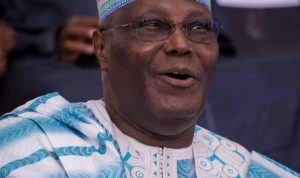
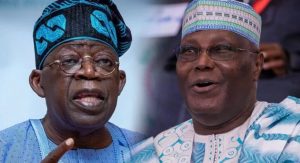
Atiku Abubakar, Former Vice-President and presidential candidate of the African Democratic Congress (ADC), has asked President Bola Tinubu to make his records available for public scrutiny, accusing the administration of using old allegations against him to divert attention from Nigeria’s worsening economic difficulties.
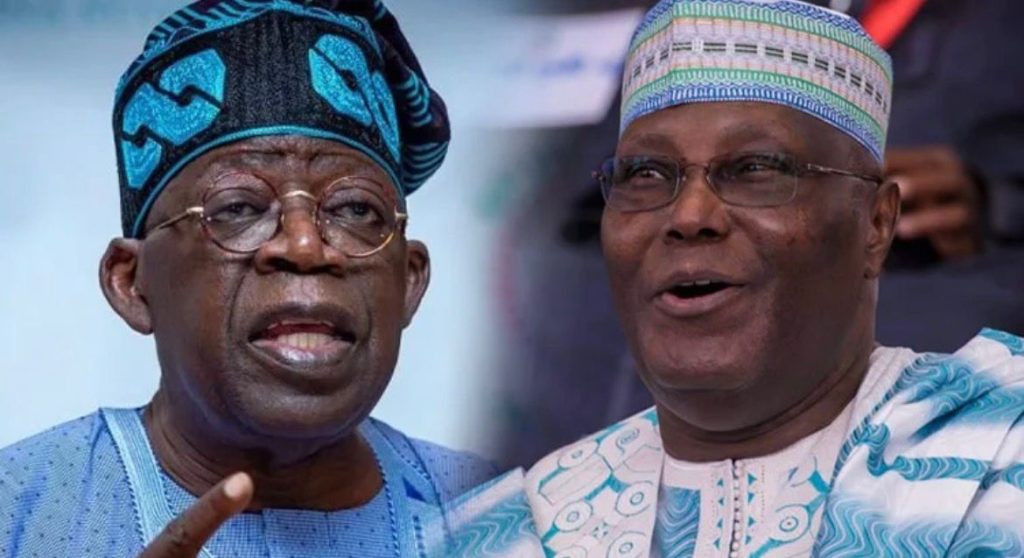
Atiku, in a statement issued on Friday by his Senior Special Assistant on Public Communication, Phrank Shaibu, said Nigerians were more concerned about the rising cost of food, transportation, electricity, rent, education and healthcare than political controversies dating back several years.
He argued that allegations previously made against him during his political disagreement with former President Olusegun Obasanjo had been subjected to investigations by relevant institutions, including the Economic and Financial Crimes Commission (EFCC), the National Assembly, an administrative panel and the courts.
According to Atiku, none of those processes resulted in his conviction, insisting that the allegations should not repeatedly be presented as established facts without fresh evidence.
He challenged anyone with credible new evidence against him to submit it to the appropriate legal authorities rather than relying on public accusations.
Atiku also questioned what he described as an apparent double standard over demands for transparency, pointing to President Tinubu’s legal intervention in a United States court case involving requests for Federal Bureau of Investigation (FBI) and Drug Enforcement Administration (DEA) records concerning him.
He maintained that Nigerians deserved equal standards of accountability from all political actors, arguing that individuals seeking public office should be prepared to subject their records to legitimate scrutiny.
The former vice-president further cautioned against the politicisation of the EFCC, stressing that the anti-corruption agency belongs to Nigeria and should not be used to settle political scores.
He said the 2027 general election should be based on the performance of political leaders and their ability to improve the lives of Nigerians, rather than what he described as the recycling of old allegations.