




By Ikugbadi Oluwasegun
The Nigeria Civil Aviation Authority (NCAA), in collaboration with the Federal Airports Authority of Nigeria (FAAN) and other relevant stakeholders, is hosting a technical mission under the ICAO/UNEP Fortifying Infrastructure for Responsible Extinguishment (FIRE) Project from 7–9 September 2026.
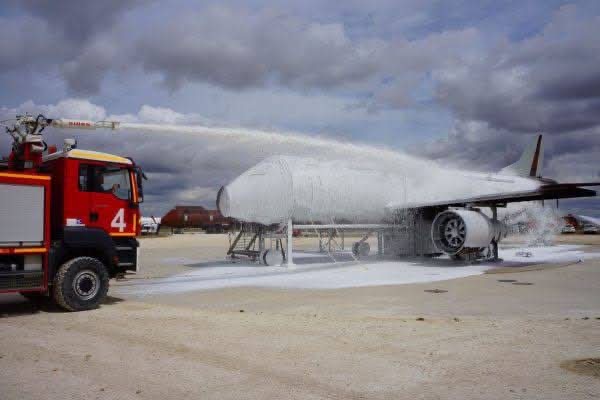
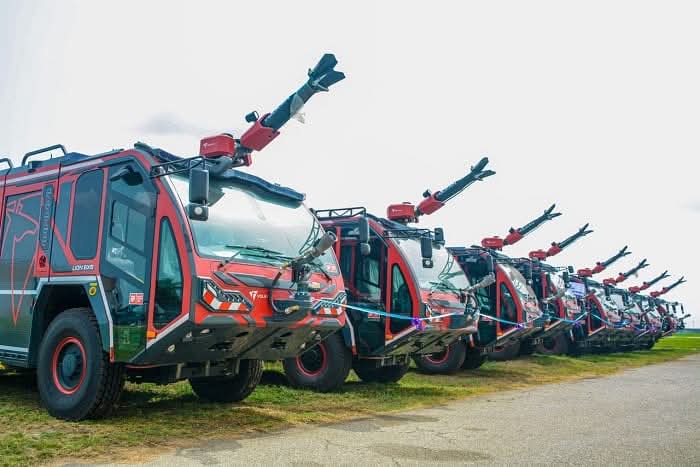
The mission, which covers Nnamdi Azikiwe International Airport, Abuja, and Port Harcourt International Airport, Omagwa, forms part of an international initiative aimed at supporting the aviation sector’s transition from conventional fluorinated firefighting foams containing harmful per- and polyfluoroalkyl substances (PFAS) to safer and more environmentally sustainable fluorine-free firefighting alternatives.
The FIRE Project is implemented by the United Nations Environment Programme (UNEP) and executed by the International Civil Aviation Organization (ICAO), with funding from the Global Environment Facility (GEF). The FIRE Project covers five African countries — Egypt, Ethiopia, Kenya, Nigeria, and South Africa — and is designed to support participating states in eliminating uncontrolled releases of PFAS associated with firefighting activities at major airports.
The project, which runs from 2025 to 2030, has an overall value of approximately US$82.5 million, comprising a US$10 million GEF grant and approximately US$72.5 million in co-financing from participating partners. At the broader programme level, the initiative is expected to support the environmentally sound management and removal of approximately 4,500 tonnes of PFAS-contaminated material from firefighting vehicles and associated systems, as well as the safe disposal of approximately 130 tonnes of PFAS-based firefighting foam concentrate.
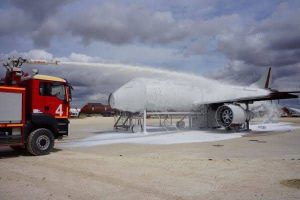
During the three-day mission, ICAO/UNEP experts will engage with the NCAA, FAAN, relevant environmental authorities, airport rescue and firefighting personnel and other key stakeholders to assess Nigeria’s existing arrangements for the procurement, storage, use, handling and disposal of firefighting foams. The mission will also examine existing aircraft rescue and firefighting infrastructure and equipment, identify potential environmental and occupational risks associated with PFAS, and determine the technical, regulatory and capacity-building requirements necessary to support Nigeria’s transition to fluorine-free alternatives.
Particular attention will be given to the suitability of fluorine-free firefighting foams for aircraft rescue and firefighting operations; compatibility with existing firefighting vehicles, tanks, pumps and foam-delivery systems; decontamination or replacement of affected equipment; environmentally sound disposal of existing foam stocks and contaminated materials; personnel training; and the development of an appropriate regulatory and implementation framework.