




By Jelili Gbadamosi
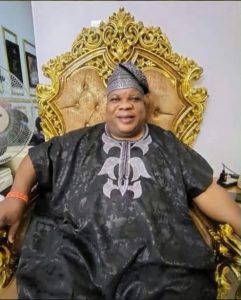
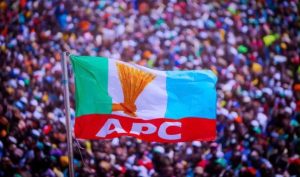
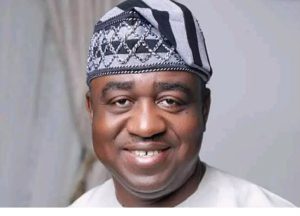
Prince Isaac Fayose, a Nigerian businessman, has criticised Osun State Governor, Ademola Adeleke, over his recent engagements with leaders of the All Progressives Congress (APC) following the state’s governorship election.
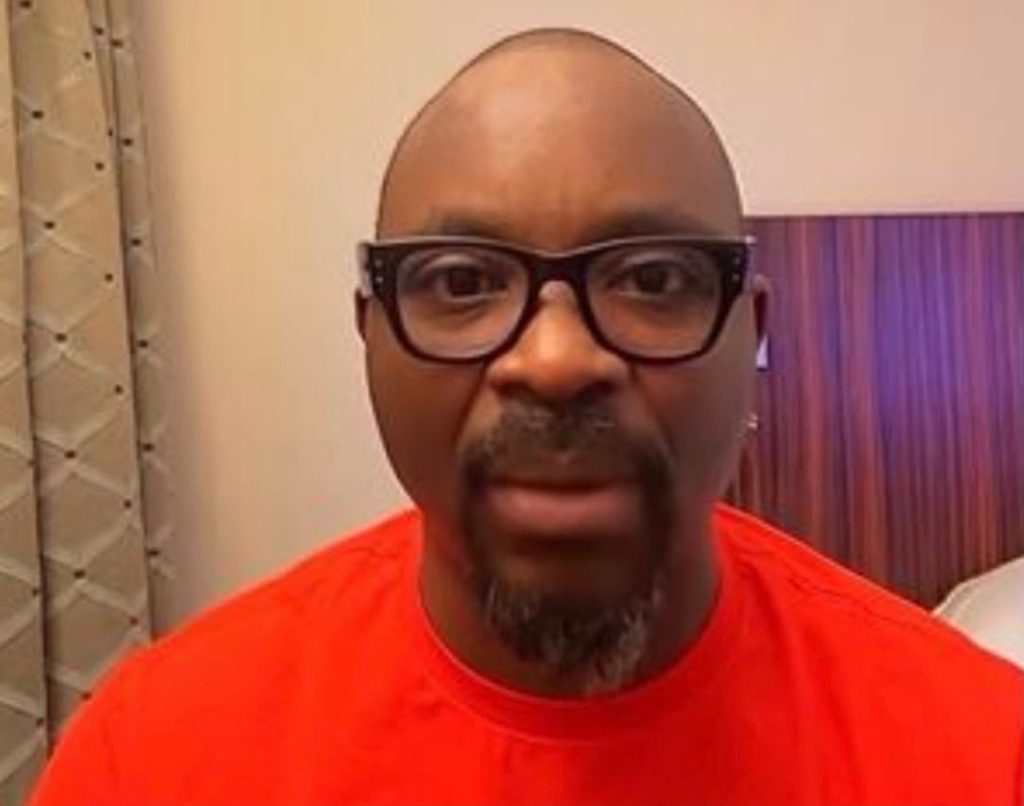
Fayose questioned the governor’s decision to associate with APC leaders despite allegations of violence and deaths involving supporters of the two major political camps during the election.
Ahead of the August 15 poll, Adeleke, who contested under the Accord Party, had alleged that suspected APC thugs attacked and killed some members of his party.
The APC, however, rejected the allegation and accused individuals allegedly linked to Adeleke’s camp of killing more than 20 of its supporters.
Despite the conflicting claims, the Independent National Electoral Commission (INEC) declared Adeleke the winner of the election.
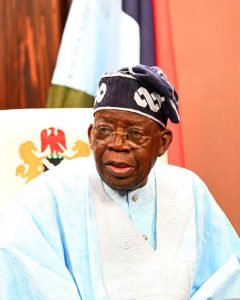
Following his victory, Adeleke held meetings with prominent APC figures, including President Bola Tinubu, a development that sparked reactions among some of his supporters and political observers.
Fayose, reacting in a post on his official Facebook page, questioned the governor’s decision to engage with those he described as his political opponents.
“29 people died fighting for Adeleke, and the same Adeleke is now with the oppressors. What a country!” he said.
Fayose also raised concerns over the alleged financial expenditure associated with the election, citing claims from different political figures.
He referenced a claim attributed to Davido’s father that the APC spent N60 billion on the election, while former Ekiti State Governor Ayo Fayose allegedly claimed that the Accord Party spent N40 billion.
According to him, the alleged combined expenditure of N100 billion could have been used to improve the lives of many Nigerians if invested directly in communities.
“There are counter-allegations from both the APC and the Accord Party. Davido’s father said the APC spent N60 billion, while Ayo Fayose also came out to say that the Accord Party spent N40 billion on the election,” he said.
Fayose argued that the political developments following the election had raised questions about the sacrifices made by supporters during the campaign and the subsequent direction of the governor’s political engagements.