




By our Reporter
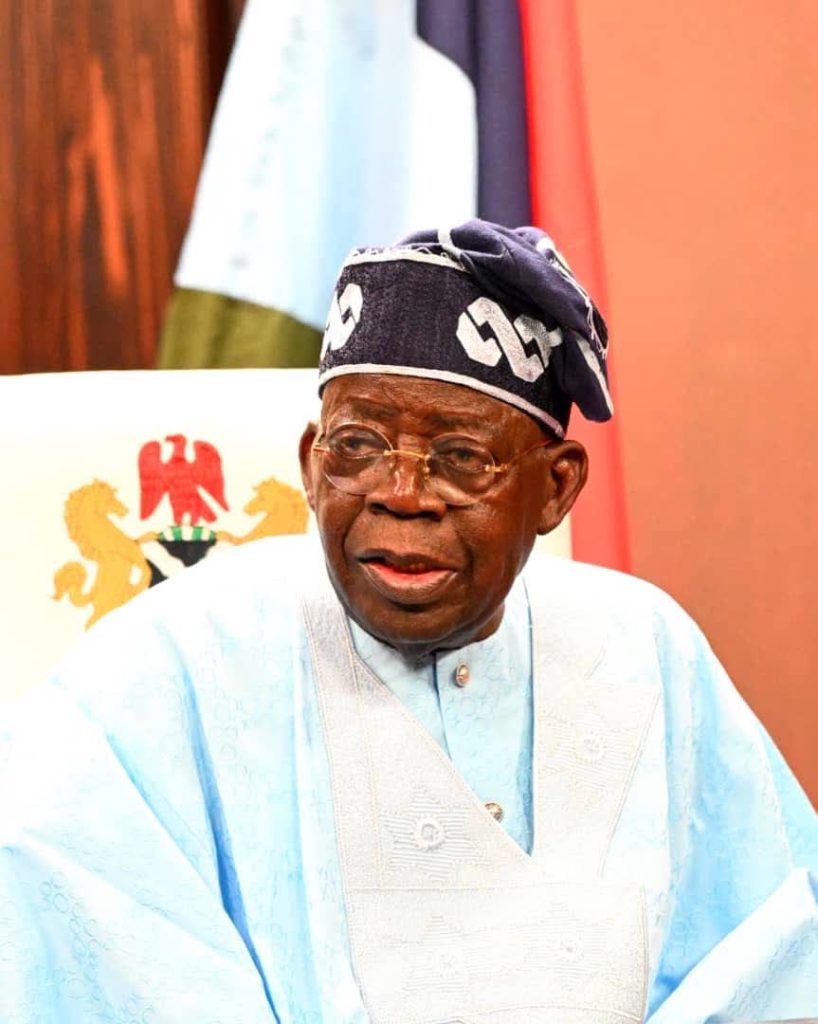
President Bola Tinubu has declared that Nigeria has emerged from a difficult period of economic reforms and is now entering what he described as an “age of prosperity.”
Tinubu stated this in his Independence Day address to Nigerians on Thursday, marking the country’s 66th Independence Anniversary, with the theme “From Reforms to Prosperity.”
The President said Nigeria had endured years of economic difficulties, insecurity, political upheaval and other challenges, but maintained that the country had remained resilient because of the determination of its citizens.
Reflecting on the state of the economy when his administration assumed office, Tinubu said difficult reforms had become necessary after years of decisions that, in his assessment, allowed economic distortions to deepen.
He compared the reforms to medical treatment for a serious illness, arguing that the measures had produced difficult “side effects” but were necessary to address underlying economic problems.
According to him, the reforms had improved the country’s economic outlook, citing economic growth of more than four per cent this year, lower inflation from its peak, rebuilt foreign reserves and greater stability in the foreign exchange market.
He also said Nigeria recorded more than $6 billion in non-oil export revenue in 2025, which he described as the country’s highest-ever figure.
Tinubu said the government’s economic priority had now shifted from correcting the country’s economic direction to delivering “shared and widespread prosperity.”
He said the government would focus on reducing the cost of living by lowering the cost of producing and transporting goods.
According to the President, the administration would expand mechanised irrigation and dry-season farming, improve access to seeds and fertiliser, increase mechanisation and invest in storage and transportation.
He added that ongoing investments in roads, railways and ports were intended to improve connections between farms, factories and markets.
Tinubu also identified job creation, enterprise and industrial growth as key priorities, particularly given Nigeria’s young population.
He said the government would use the country’s gas resources to power industries, support the revival of factories, expand digital connectivity and invest in skills required by employers.
The President further said his administration would continue programmes aimed at supporting vulnerable Nigerians, including strengthening direct support for poor households and improving the National Social Register.
He also cited the Nigerian Education Loan Fund and CREDICORP as programmes designed to expand access to education and consumer credit.
Tinubu acknowledged that millions of Nigerians were still struggling with food, education, healthcare and transportation costs, but said the challenges had accumulated over decades and could not be eliminated within a single administration.
“We cannot erase in four years what accumulated over generations. But we can change its course,” he said.
He said the government’s objective was not merely to manage poverty but ultimately to defeat it through sustained economic growth and the creation of millions of productive opportunities.
The President concluded by urging Nigerians to look forward with confidence, declaring that the country had “corrected its course” and had “passed through our own Red Sea.”
“Let us go forward together, with faith in ourselves, faith in our country, and faith that the sacrifices we have made will yield their reward,” Tinubu said.