



By Ikugbadi Oluwasegun
The Federal Ministry of Finance has dismissed media reports alleging “hidden spending” and diversion of federation revenue, saying recent commentaries misrepresented findings in the World Bank’s latest Nigeria Development Update.
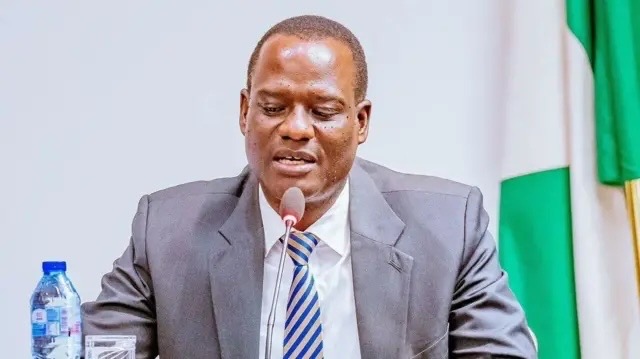
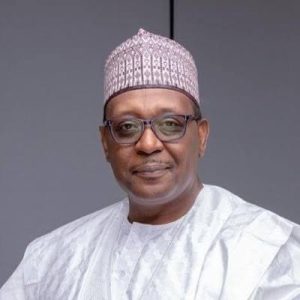
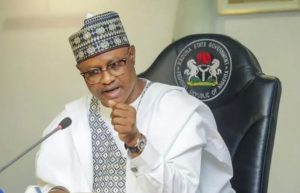
In a statement issued on Sunday, by Taiwo Oyedele, Minister of State for Finance said interpretations claiming that a significant portion of federation earnings was being diverted “misrepresent the World Bank’s analysis and reflect a misunderstanding of the fiscal system.”
Oyedele explained that Federation Account Allocation Committee deductions cited in the report are not leakages. He listed them as statutory transfers, savings and investments, security-related expenditures, cost-of-collection charges, refunds to Ministries, Departments and Agencies, and transfers and interventions benefiting subnational governments.
“Refunds and transfers to states and other tiers of government are not leakages. They represent legitimate fiscal flows, including repayments of obligations and statutorily backed allocations,” the statement read.
The ministry accused some commentaries of selectively using outdated data while ignoring forward-looking analysis in the World Bank report. It noted that reforms implemented in early 2026, including a recently signed Executive Order to safeguard remittance of petroleum revenues, are already addressing concerns around deductions. According to the World Bank, those measures are expected to improve transparency and increase revenues available to all tiers of government by about 0.4% of GDP annually.
“Misinterpreting one aspect of the analysis without acknowledging the progressive reforms and measures already introduced gives a distorted picture,” Oyedele said.
The ministry highlighted what it called the broader message of the World Bank report: economic growth is becoming more broad-based, inflation is declining due to deliberate policy actions, Nigeria’s external position has strengthened with improved reserves and a current account surplus, and debt indicators have improved, including a decline in the debt-to-GDP ratio for the first time in over a decade.
“The World Bank does not conclude that Nigeria’s fiscal system is collapsing or that reforms have failed. Rather, it states that reforms are working, and they must be sustained and deepened to translate macroeconomic gains into inclusive growth,” the statement added.
The Federal Government restated its commitment to fiscal transparency, revenue mobilisation, efficient public spending and deepening reforms. It urged stakeholders and media organisations to engage constructively with fiscal information and avoid “twisted interpretations that may undermine reform efforts and fuel public discord.”