




By Tosin Adesile
Oyo, Nigeria: On a hot Sunday afternoon in Iseyin, Oyo State, Abdullateef Maruf, 18, was deep into his work, his forehead dripping with sweat as he focused intently on the intricate cotton patterns. With a steady rhythm, he pumped the treadle, accelerating his pace to complete the cloth and meet his daily goal of weaving three sets of Aso Òkè – a traditional hand-woven fabric.
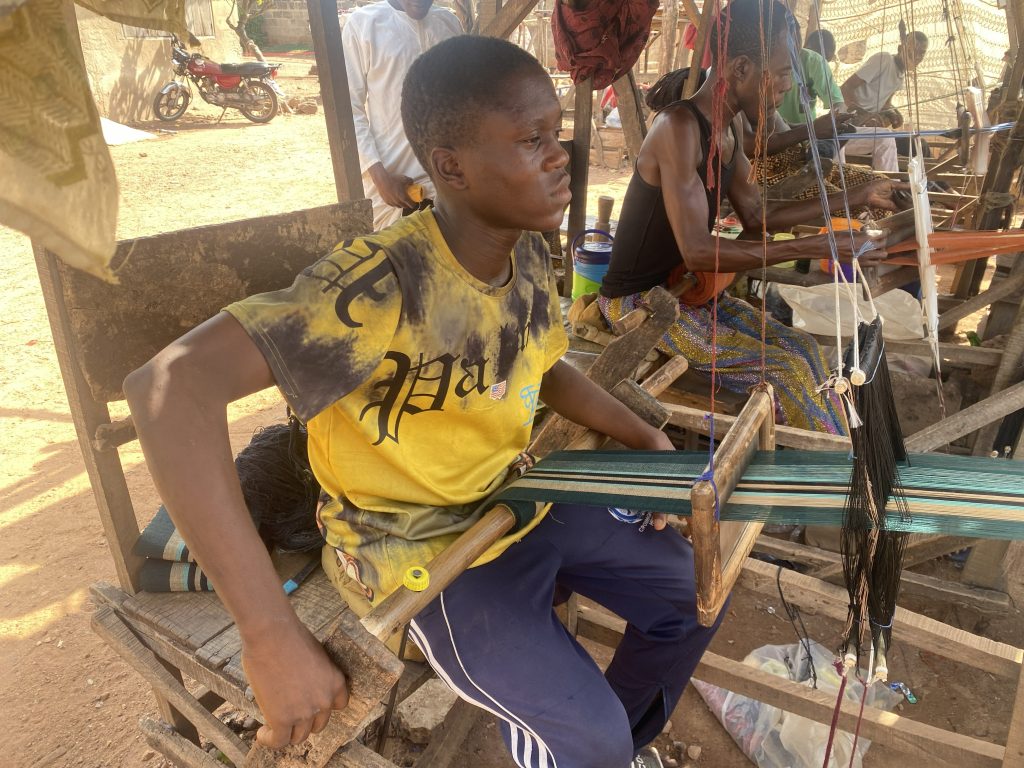
Abdullateef Maruf
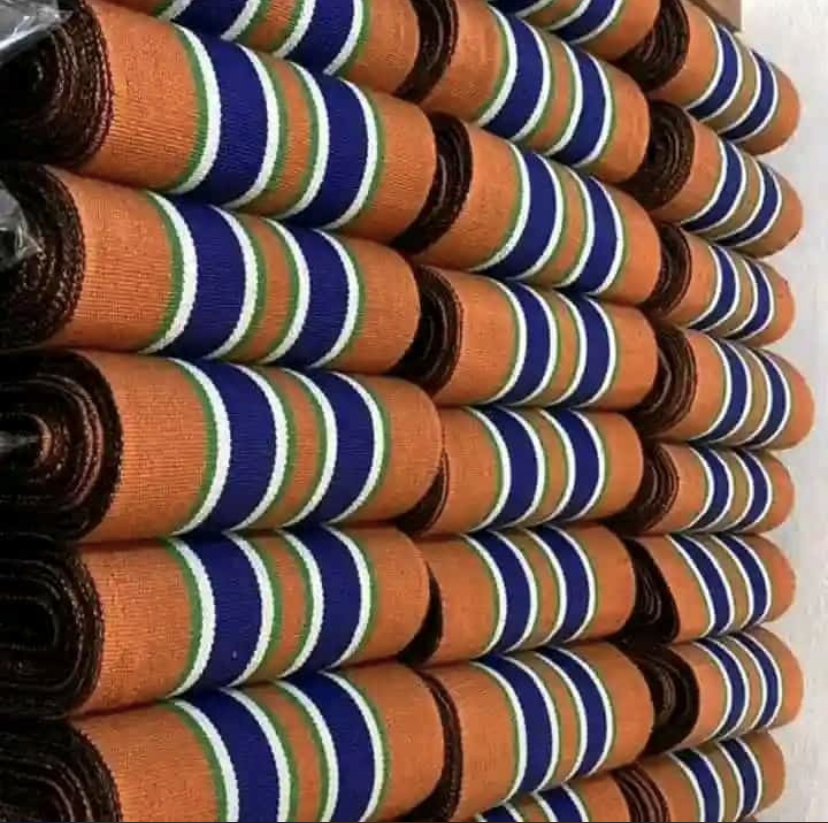
Aso Òkè fabric originated from the Yoruba people of West Africa, specifically in Nigeria, Benin, and Togo. Skilled artisans, both men and women, weave this fabric and is used to create a variety of garments.
Abdullateef’s journey as a weaver began at the age of seven, following the tragic loss of his father in a fatal car accident, which sparked his determination to master the traditional craft of Aso-oke weaving. “When they [my parents] got into the accident, both of them were badly injured and they were hospitalised for treatment, it was during the treatment that my father died and my mother survived,” he explained.
After the accident, Abdullateef’s mother relocated to Lagos, where she worked as a porter, and took him along with her. Abdullateef spent two years in Lagos, experiencing city life, before returning to his hometown of Iseyin to live with his grandmother, marking a new chapter in his life. “After I returned to Iseyin, I decided to learn the weaving of Aso Òkè, the work of my grandfather. So, I began with packing of cotton after my boss was done with work daily and I also engaged in pulling strides of the cotton and laying it off for interlacing.”
It takes Abdullateef five hours to weave a yard for which he’s paid ₦1500 ($1.05). On a good day, he weaves as much as three yards and goes home with ₦4,500 ($3.15)
“Sometimes I only weave two because attaining 3 per day depends on how early you started, normally I will start every morning by 6:am if nothing is wrong with me I will work till 7:30 pm before I close for the day”
Abdullateef saves some of the money he earns for his education. After completing his senior secondary education in 2023, he couldn’t afford to pay for his senior secondary certificate exam and has been focusing on weaving more Aso Òkè in order to save up for the exam.
“I have the money ready now but till next year before I will sit for the exams and that is because I have an interest in furthering my education at the university, but if I can’t afford it I will focus on weaving because I have the dream to become a larger producer of Aso Òkè” he said.
The social-cultural import of Aso Òkè
The weaving of Aso Òkè also known as Aso Ofi dates back to the 12 century with Iseyin, a town in Oyo State, Southwest Nigeria widely regarded as the birthplace of Aso Òkè. The name Aso Òkè was coined by Lagos traders who usually referred to Iseyin locals as Ara Oke – people from the hinterland and their textiles as Aso Awon Ara Oke – cloth of the people from the hinterland
Nigeria’s Aso-Ebi economy is under pressure from rising costs, imported fabrics, and declining youth participation in traditional weaving, even as demand for ceremonial wear remains culturally strong. But people like Abdulwaheed Maruf are changing the Narrative.
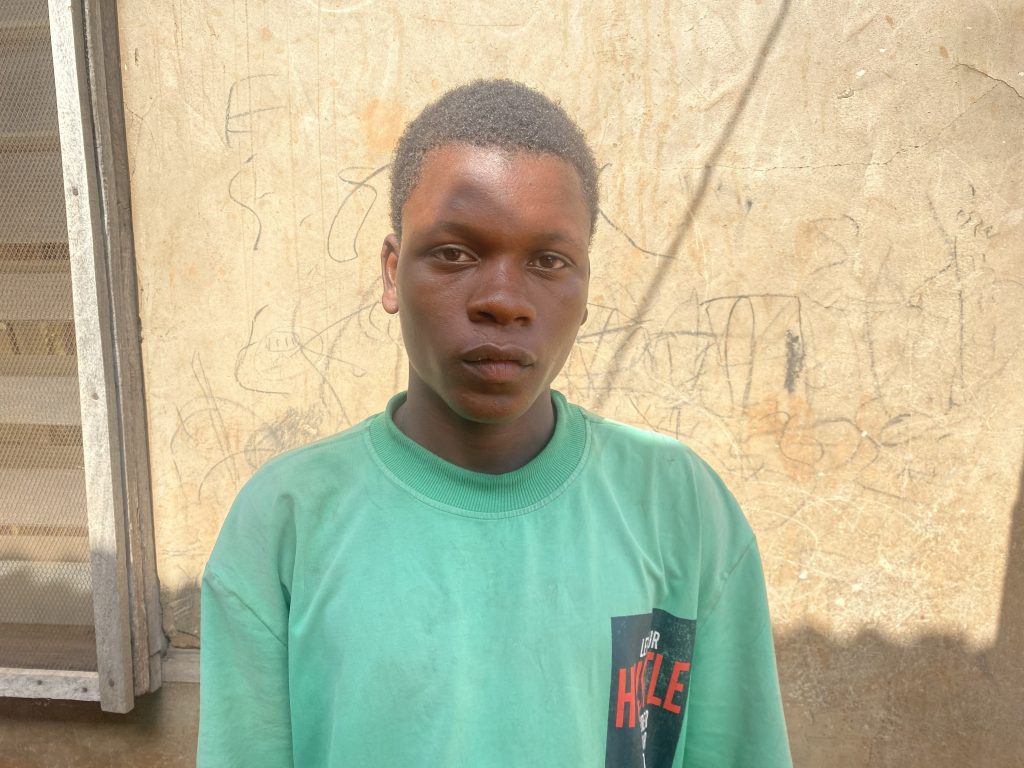
Abdulwaheed Maruf, 17, pivoted from being a tailor and part-time construction site laborer to Aso Òkè weaving full time in 2023 due to a passion and love for the age long tradition.
“I chose this profession mainly because of the love I have for it and I find it easier than my previous work,” Abdulwaheed told The Sparklight News .
From the cotton planters to the Aso Òkè weavers and the traders, Aso Òkè has an economic value chain in addition to its cultural significance to the Yorùba society. However, the craft faces several challenges which has led to a decline in use and production.
Western styled clothes and fashion have become the vogue and a stiff competition for the Aso Òkè. Imported textiles from other countries which are cheaper have also flooded the Nigerian market while the cost of raw materials for making Aso Òkè such as premium silk and cotton, has increased astronomically.
“We need more young people from the primary school level and beyond to actively engage in the industry so they can further promote the enterprise by reaching foreign clients using the internet,” Abdulwahab Gafar Abiodun, secretary of the Aso-Ofi Weavers and Marketers association in Iseyin noted.
He mentioned that many young people like Abdullateef and Abdulwaheed can change the narrative with Aso Òkè weaving, preserving the Yorùba culture and making a fine income at the same time. The Aso-Ofi Weavers and Marketers association in Iseyin observe a yearly festival that celebrates the Aso Òkè industry, weavers and marketers across Oyo state and beyond in a bid to keep the culture alive and thriving.
“For years now we have celebrated the ceremony and we only had a halt in 2020 due to the pandemic but the tradition continued since subsequent years and we are planning something gigantic and robust for this year,” Abiodun further noted.