




By our Reporter
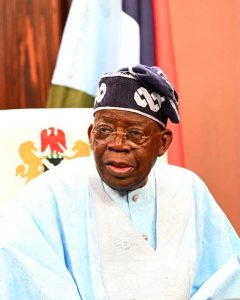
President Bola Tinubu has challenged Nigerian journalists to uphold professionalism by prioritising facts, credibility and responsible reporting over sensationalism and the pursuit of online traffic.
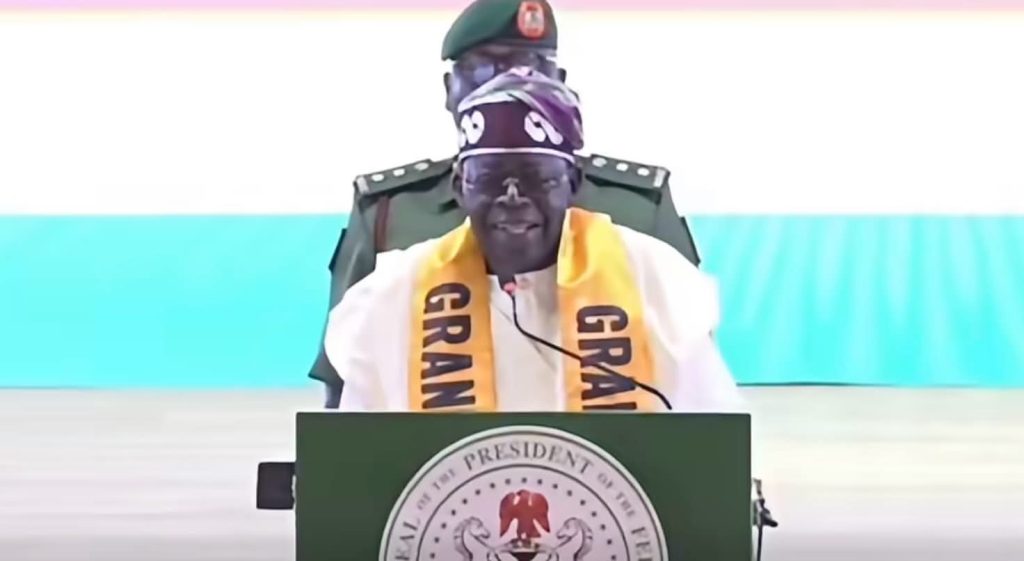
The President gave the charge on Thursday while addressing journalists at the maiden State House Media Corps Presidential Dinner held at the Presidential Villa, Abuja.
Describing the media as a critical pillar of democracy, Tinubu reaffirmed his administration’s commitment to press freedom, while stressing that the constitutional right to freedom of expression must be exercised with responsibility.
“I am an apostle of a free press. I have defended and advocated for the rights of the media throughout my public life and will continue to do so,” the President said.
He, however, warned against the growing menace of misinformation, disinformation, fake news, voice and facial cloning, and deepfakes, urging journalists not to become “willing couriers of falsehood or unverified information” capable of undermining national security.
Tinubu said the rise of social media had made professional journalism more important than ever, noting that the public relies on journalists to distinguish facts from speculation and truth from falsehood.
“We live in an era where misinformation and disinformation travel faster than facts. The media must choose fact over falsehood. The media must choose substance over sensation. The media must choose credibility over clickbait and the endless race for followers, likes and viral outrage,” he said.
The President acknowledged the naturally adversarial relationship between government and the media but described both institutions as partners in nation-building.
According to him, while government is responsible for leadership and service delivery, the media has the constitutional duty of holding those in power accountable.
He also reflected on his long experience in public life, recalling how media narratives during election campaigns often elevated rumours and allegations above verified facts.
Tinubu maintained that democracy thrives on a free and responsible press, adding that freedom of expression does not include the right to defame or deliberately mislead the public. He noted that existing laws, including the Cybercrimes Act, are intended to protect citizens from malicious falsehoods and other abuses in the digital space rather than undermine press freedom.
The President also used the occasion to highlight the achievements of his administration, saying Nigeria’s economic reforms were beginning to yield positive results through improved public revenue, increased investor confidence, stronger foreign reserves, renewed investments in the oil and gas sector and growth in the stock market.
On security, he said military operations had intensified across several theatres, while intelligence gathering, inter-agency cooperation and regional collaboration had improved, leading to the neutralisation of thousands of terrorists and criminal elements, the rescue of hostages and the recovery of previously threatened communities.
Tinubu called for stronger collaboration between government and the media, urging journalists to replace sensationalism with professionalism and prioritise truth, fairness and integrity in the discharge of their constitutional responsibilities.
He thanked members of the State House Press Corps for their dedication to informing Nigerians about government activities and expressed hope that the presidential media dinner would become an enduring tradition for strengthening relations between the government and the media.