




By our Reporter
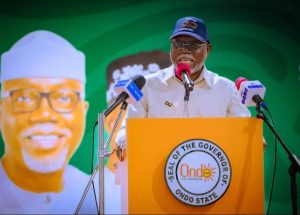
Governor Lucky Orimisan Aiyedatiwa, Ondo State has assented to the Ondo State Electric Power Sector (Amendment) Law, 2026, strengthening the legal and institutional framework for electricity generation, transmission and distribution in the state.

The new legislation, passed by the Ondo State House of Assembly, amends the Ondo State Electric Power Sector Law, 2020, and aligns the state’s electricity regulatory framework with recent constitutional and statutory developments in Nigeria’s power sector, particularly the Electricity Act, 2023.
A major provision of the amended law is the establishment of the State Electricity Regulatory Commission (SERC) as an independent regulatory body responsible for regulating electricity activities and standards across the state.
The Commission is empowered to regulate tariffs, open access, franchises, third-party investments, mini-grids, renewable energy development and other aspects of the state’s electricity market. It will also issue licences and permits for electricity generation, transmission and distribution facilities.
The law further provides for the establishment of the State Independent System Operator (SISO) and State Market Operator (SMO to facilitate the effective operation and development of the state electricity market.
Another key provision is compulsory metering for both grid-connected and off-grid electricity consumers. Electricity providers are required to supply appropriate metering devices, while consumers will maintain direct service and payment relationships with their respective electricity providers.
The amended law also provides legal protection for electricity infrastructure financed by communities, associations and private individuals. Transformers, distribution lines and other facilities connected to the public distribution network are protected against arbitrary interference.
It also creates the offence of “Electricity Infrastructure Expansion Sabotage” for anyone who deliberately prevents certified electricity infrastructure from being connected to the grid. A first conviction attracts a ₦2 million fine, in addition to a ₦25,000 daily penalty for continued refusal after written notice from the regulatory authority.
The legislation establishes the Equipment Standards and Competence Certification Agency (ESCCA), which will inspect, test and certify electrical equipment and installations, while also licensing and accrediting electrical installers, technicians, contractors and operators.
The law equally strengthens the role of the Ondo State Power Company as the commercial arm of the state government in the power sector. The company is empowered to invest in electricity generation, transmission and distribution, including mini-grids, independent distribution networks, renewable energy, emerging energy technologies and small hydro projects.
The new framework is expected to provide greater certainty for investors, with provisions allowing the state government to grant specified exclusivity rights to investors involved in the development of electricity generation, transmission, distribution and related fuel-supply infrastructure.
It also designates electricity investments made by the state government, its agencies, communities, individuals and other recognised stakeholders as “State Protected Investments,” placing an obligation on the state and its agents to protect such investments.
Speaking on the development, the Commissioner for Energy and Mineral Resources, Engr. Johnson Jaiyeola Alabi, described the governor’s assent as a major milestone in the administration’s efforts to establish a modern, sustainable and investment-driven electricity sector in Ondo State.
Alabi said the law provides the legal foundation for the state to take full advantage of opportunities created by the decentralisation of Nigeria’s electricity market.
According to him, the legislation will encourage private-sector participation, strengthen regulation, protect investments, improve metering, expand electricity infrastructure and promote renewable and alternative energy sources across the state.
Governor Aiyedatiwa also reaffirmed his administration’s commitment to using the electricity sector as a catalyst for industrialisation, economic development and improved quality of life for the people of Ondo State.
The new law is expected to attract fresh investments, increase electricity generation and distribution, and support the development of a more reliable and sustainable electricity market across Ondo State.