





By Jelili Gbadamosi
Femi Falana, human rights lawyer and Senior Advocate of Nigeria (SAN), has criticised the All Progressives Congress (APC) over its adoption of consensus governorship primaries, describing the practice as a threat to internal democracy and electoral integrity.
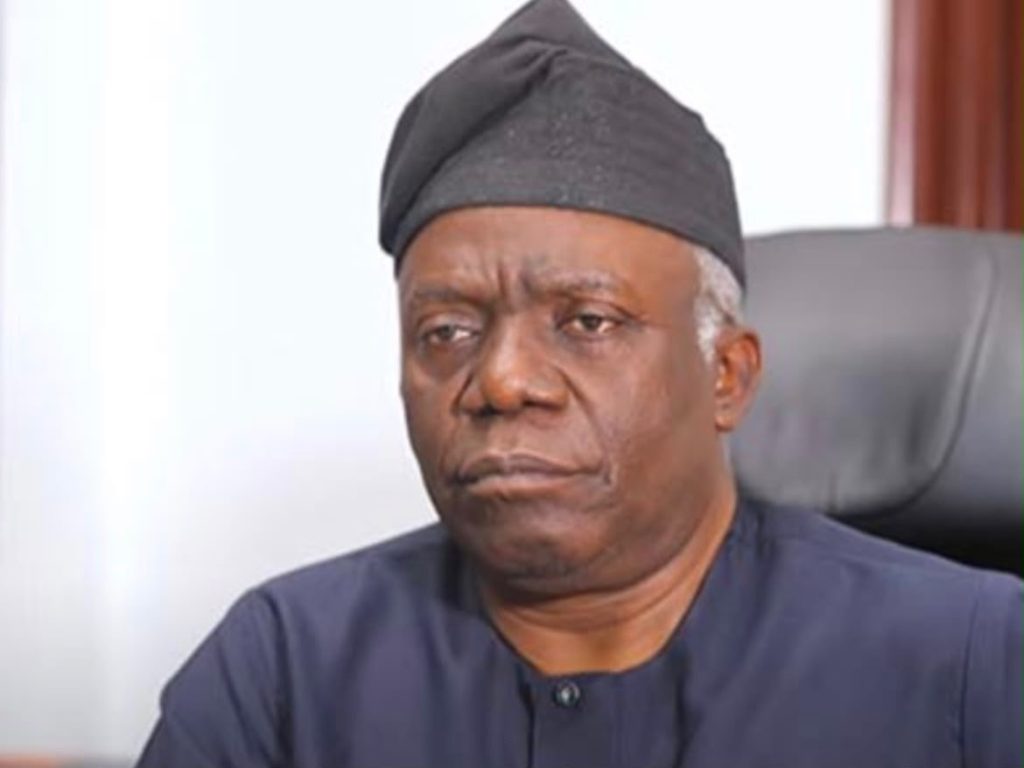
Falana spoke on Thursday at the 8th Penpushing Annual Lecture held at the Olusegun Obasanjo Presidential Library, Abeokuta. The lecture was themed, “Restoring Electoral Integrity: The Path to Good Governance and Public Accountability.”
He argued that credible elections must begin with transparent and democratic party primaries, stressing that consensus arrangements often deprive party members of the opportunity to freely choose their candidates.
“Please, let us stop deceiving ourselves. If you are going to talk about electoral integrity, you must start with the primaries,” Falana said.
The senior lawyer maintained that although the Electoral Act recognises both direct and consensus primaries, the consensus model has increasingly been abused, particularly in Ogun State, where he described it as a system driven by “extortion” and “plutocracy.”
Falana also warned against actions that could weaken Nigeria’s multi-party democracy, cautioning that deregistering political parties or preventing them from participating in elections could fuel political instability.
According to him, political exclusion has historically created opportunities for anti-democratic forces to undermine democratic institutions across Africa.
He further decried the rising influence of money in Nigeria’s electoral process, citing Ola Olukoyede, Chairman of the Economic and Financial Crimes Commission (EFCC), who alleged that some governorship aspirants spent between ₦20 billion and ₦30 billion during party primaries.
Questioning the source of such funds, Falana said the trend encourages corruption and erodes public confidence in the democratic process.
He called for comprehensive reforms aimed at strengthening internal party democracy, reducing the influence of money in politics, and safeguarding the credibility of Nigeria’s electoral process.