




Abiodun Alamutu, the Southwest Zonal Director of the National Centre for the Control of Small Arms and Light Weapons (NCCSALW) has raised alarm over the widespread proliferation of illicit weapons in the region, estimating that more than five million illegal firearms may be in circulation.
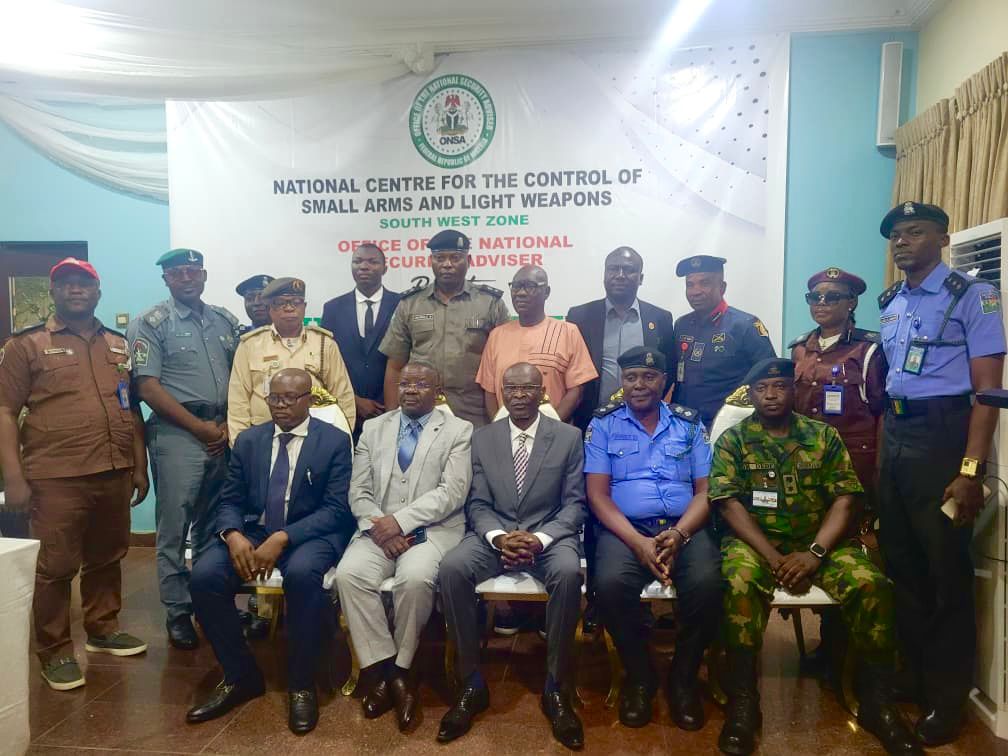
Alamutu, a retired Commissioner of Police, disclosed this on Thursday in Abeokuta during a one-day seminar organised by the centre on effective post-judgment management of small arms and light weapons.
He described the unchecked spread of arms as a major driver of insecurity, including banditry and terrorism, noting that many of the weapons are in the possession of non-state actors.
“The major enabler of insecurity, banditry and terrorism in the country is the proliferation of small arms and light weapons,” he said, adding that while the exact number is difficult to verify, available records suggest the figure is “within or quite above five million.”
Alamutu explained that although authorities have recorded notable successes in intercepting illegal arms at Nigeria’s borders, attention is now shifting towards recovering weapons already in circulation within communities.
According to him, tackling the problem would require strong collaboration with traditional rulers, community leaders, and civil society organisations to encourage voluntary surrender of illicit arms.
On policy, he noted that Nigeria is bound by international conventions mandating the destruction of seized illegal weapons, stressing that any deviation would require legal backing.
He also identified porous borders as a persistent challenge to arms control efforts, despite what he described as existing political will, and emphasised the role of technology in strengthening border security.
Alamutu further disclosed that seizures of illegal arms and ammunition are ongoing, citing a recent interception of 43,000 live cartridges by the Nigeria Customs Service, which the centre plans to take custody of.
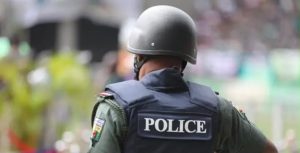
Also speaking, Bode Ojajuni, the Ogun State Commissioner of Police, called for improved coordination in the handling of recovered weapons across security agencies.
Ojajuni said many seized arms remain in police armouries, warning that delays in transferring them to the appropriate authorities could pose risks.
He advocated for a structured system across states to ensure timely collection and transfer of recovered arms to the NCCSALW, noting that better coordination would strengthen efforts to curb proliferation.
In his lecture, Kunle Olawunmi of Chrisland University urged security agencies to reconsider the destruction of seized weapons, suggesting they could instead be repurposed for security operations or sold to allied countries.
He also recommended that within six months, the NCCSALW, judiciary, police, and the Federal Ministry of Justice should establish a national post-judgment small arms management protocol with clearly defined roles, timelines, and documentation processes.
Olawunmi stressed that effective post-judgment management of small arms is critical to national security, noting that proper tracking of seized weapons from court rulings to final disposal would help close gaps that allow insecurity to persist.