




By Jelili Gbadamosi
Aliko Dangote, the Africa’s richest man, has announced plans by his business group to invest more than $10 billion in the power sector, saying reliable electricity is essential to driving industrialisation and economic growth across Africa.
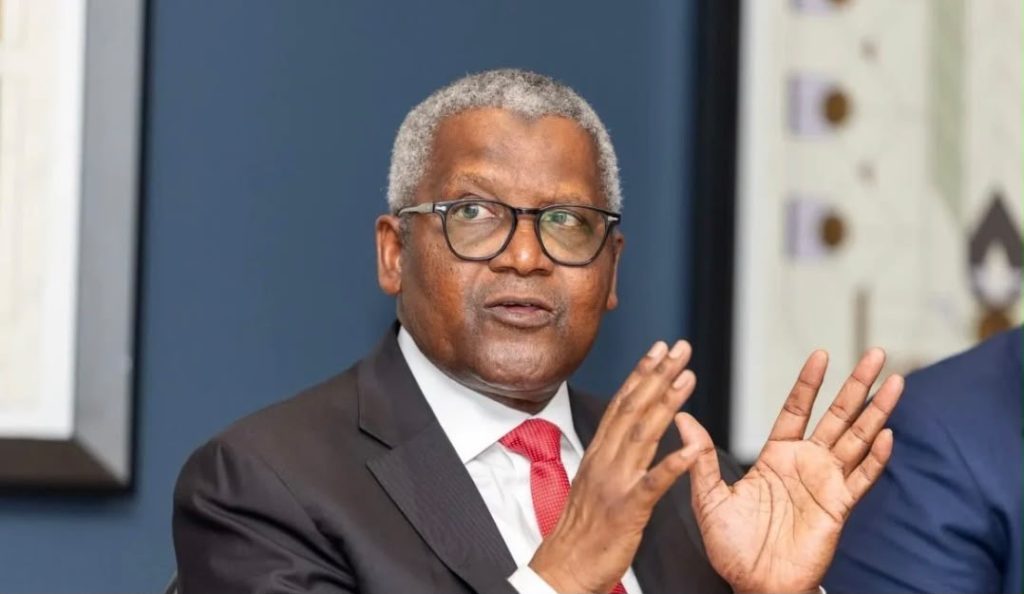
Dangote disclosed this during an interview with Al Jazeera, where he identified inadequate power supply and inconsistent government policies as major factors discouraging investment and limiting industrial development on the continent.
The industrialist said the group was considering redirecting funds from some planned ventures, including steel, towards electricity generation and other power-related investments.
He said the move was part of efforts to address Africa’s electricity deficit and create conditions that would support industrial expansion.
“I’m telling you in the next three to four years, there will be a major transformation in Africa, and that’s why we’re looking at power. We are going to invest in power,” Dangote said.
“There are one or two businesses that we might cancel, like steel, and we will put the money in power. We want to invest over $10bn alone in power.”
Dangote expressed concern about the large number of Africans without access to electricity, stressing that the continent could not achieve sustainable economic growth without resolving its power challenges.
“Power is key; we will never create growth without power. That’s why they say power is growth. When I say power, I mean electricity is growth,” he said.
He also called for greater investment in local manufacturing and processing to reduce Africa’s dependence on imported goods.
Dangote warned that continued reliance on imports could become unsustainable if African countries eventually lack the financial resources to pay for the goods they consume.
“One day we will not have money to import what we are consuming. So how can we remain an import continent? It has to change,” he said.
According to him, frequent changes in government policies, coupled with inadequate electricity supply, have continued to discourage some investors from committing resources to Africa.
He, however, said investors who were prepared to take risks in the continent could contribute significantly to job creation and industrial development.
Addressing accusations of monopoly against his businesses, Dangote said his companies had not been granted exclusive rights by the government to operate in any sector.
He compared business competition to a 100-metre race, arguing that investors who chose not to participate should not blame those who entered the market and succeeded.
Dangote also advocated increased processing of Africa’s raw materials within the continent before export, saying local value addition would help retain more economic benefits and strengthen industrial capacity.
He maintained that his business group would remain focused on its long-term objectives despite criticism, describing African industrial development as a responsibility.
“The distraction will continue. But we have what you call a very thick skin,” Dangote said, adding that the group remained committed to achieving its targets.