




By Jelili Gbadamosi
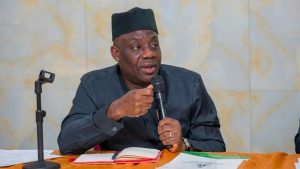
Atiku Abubakar, Presidential candidate of the African Democratic Congress (ADC), has called on the National Assembly to conduct a public and televised investigation into the alleged Presidential Foreign Investment Promotion Council (PFIPC) scandal.
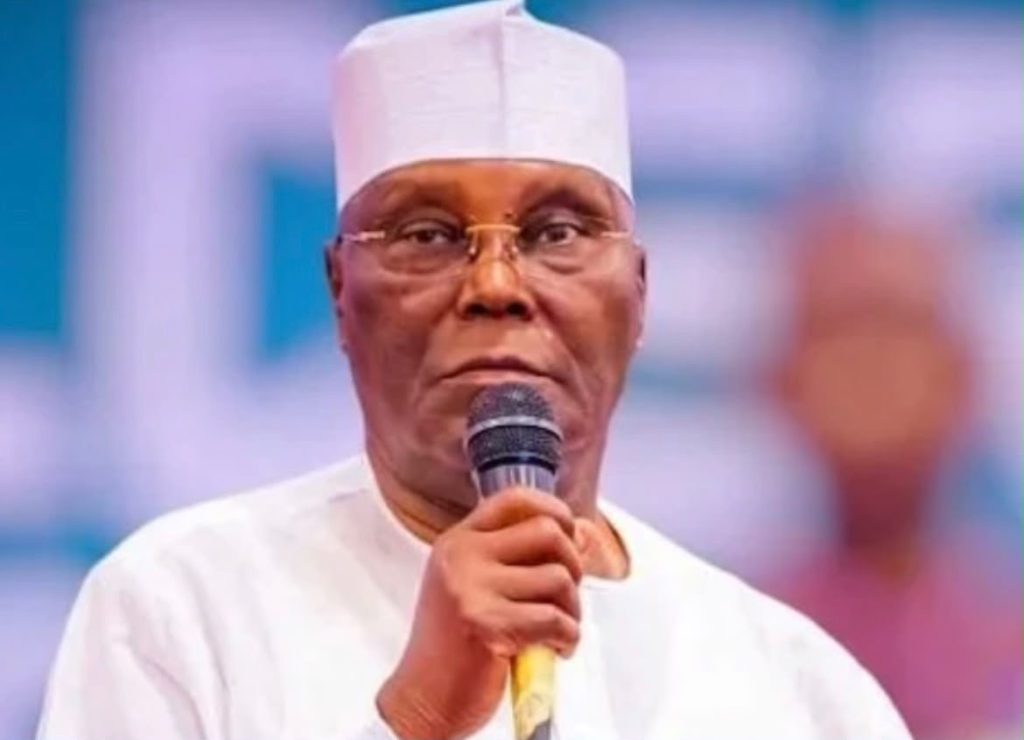
Atiku said the controversy required more than an interim report by the Independent Corrupt Practices and Other Related Offences Commission (ICPC), arguing that Nigerians should be allowed to see how government officials may have enabled the alleged fraud.
He made the demand in a statement issued by his Senior Special Assistant on Public Communication, Phrank Shaibu.
According to Atiku, the ICPC’s reported findings raised concerns over alleged negligence and possible connivance by public officers who allowed an alleged impostor to operate within government structures.
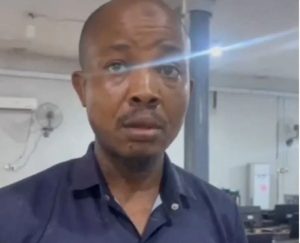
He said the suspect, identified as Mr Adeyemi, was allegedly able to forge a presidential appointment letter, create a fictitious federal agency, access government offices and open bank accounts using forged legislative documents.
Atiku questioned how such activities could have continued without the knowledge or assistance of officials within the government system.
He therefore urged the National Assembly to invite relevant witnesses, administer oaths and broadcast the proceedings live, saying the process would help Nigerians independently assess the evidence.
The former vice president also called for the identities of public officers whose alleged negligence facilitated the activities to be disclosed and for the full ICPC report to be made public.
Atiku said the reported recommendation for sanctions against some officials showed that the controversy could not be dismissed as the actions of a lone impostor.
He added that anything short of a transparent investigation could deepen public suspicion that influential individuals were being shielded from accountability.
“If the Villa is truly clean, it should be the first to welcome live television coverage,” Atiku said.
He urged the government to allow the investigation to proceed under public scrutiny, insisting that Nigerians deserved to know who authorised, facilitated or overlooked the activities at the centre of the controversy.