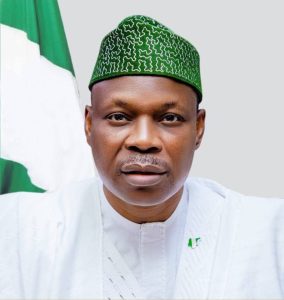





Mallam Lanre Issa-Onilu, The Director-General of the National Orientation Agency (NOA), has called for stronger collaboration among electoral stakeholders, the media, technology platforms, academia and civil society to protect Nigeria’s elections from misinformation, disinformation and the misuse of emerging technologies.
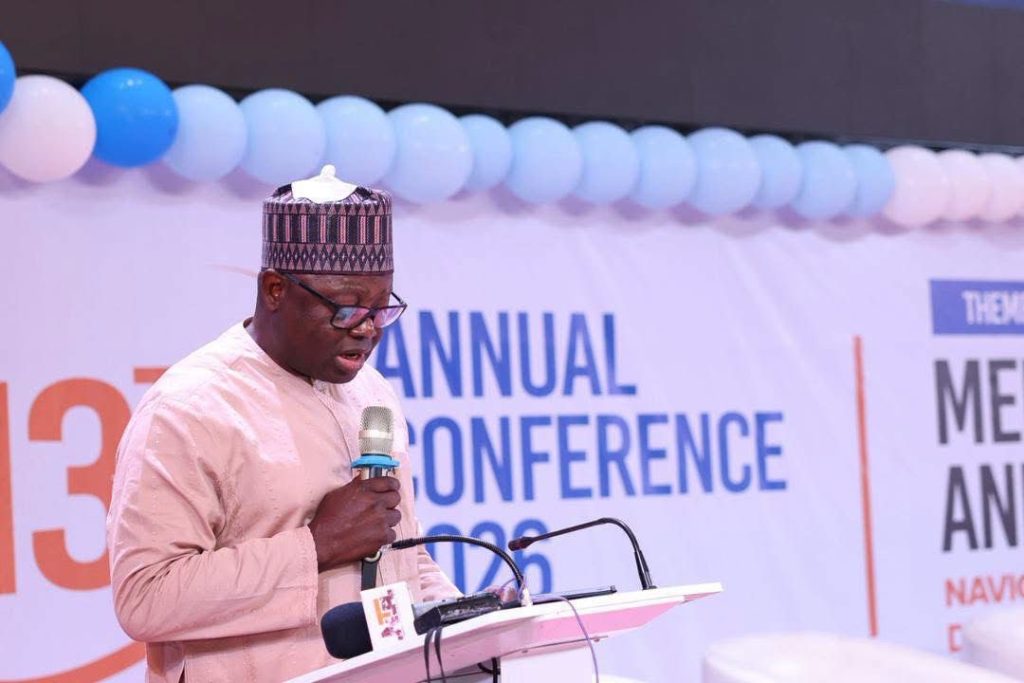
Issa-Onilu made the call in his goodwill message at the 13th Annual Conference of the Association of Communication Scholars and Professionals of Nigeria (ACSPN) in Abuja, themed, “Media, Technology and Elections in Africa: Navigating Digital Disruption and the New Dynamics of Electoral Communication.”
He urged stakeholders to promote information integrity, strengthen digital and media literacy, and ensure the responsible use of artificial intelligence ahead of the next election cycle.
The NOA DG noted that while digital technology and AI could enhance civic engagement, they could also accelerate the spread of false information, manipulated content and deepfakes capable of undermining public confidence in elections.
He said the NOA remained committed to informing, educating, listening to and mobilising citizens through its nationwide grassroots structure, while promoting national values and responsible citizenship.
Issa-Onilu cautioned that social media trends did not necessarily reflect the views of the wider population and urged citizens and media practitioners to verify information before sharing it. He also stressed the need to distinguish legitimate criticism from misinformation and disinformation.
He identified institutional coordination, digital literacy, transparency around AI-generated and sponsored political communication, community-based communication, and stronger links between research and policy as priorities.
Also speaking, the Chairman of the Independent National Electoral Commission (INEC), Professor Ojo Amupitan, represented by National Commissioner Professor Sani Muhammad, emphasised the importance of technology, professional communication and stakeholder collaboration in strengthening electoral credibility.
Professor Muhammad said technologies such as biometric accreditation and the Bimodal Voter Accreditation System (BVAS) could improve electoral integrity and transparency, but stressed that technology alone could not guarantee credible elections. He identified effective institutions, professionalism, transparency, accountability and public trust as equally essential.
He called for accurate and timely electoral information and closer collaboration among INEC, the media, academia, civil society, technology experts and other stakeholders.
The Chairman of the Local Organising Committee, Professor Azeez Adesina, said the conference provided an important platform to examine the changing communication environment and the intersection of media, technology and elections ahead of 2027.
He called for greater collaboration among academia, the media, government, regulators, civil society and technology companies, while urging young scholars to embrace innovation, research and professional ethics.
Mallam Ahmad Sajoh, representing the President of the Nigerian Institute of Public Relations, also called for practical measures to promote responsible technology use in electoral communication and highlighted the potential of AI-driven engagement platforms.
The ACSPN National President, Professor Rotimi Williams Olatunji, said Africa had entered a new digital electoral era and urged Nigeria to lead in technological innovation while protecting electoral integrity.
He warned against AI-enabled disinformation and deepfakes, calling for an integrated electoral information integrity framework involving INEC, political parties, the media, technology platforms, civil society and communication scholars.
The conference featured ACSPN Fellowship and Special Awards, including posthumous recognition for Professors Lai Oso and Dayo Alao. Olatunji reaffirmed the Association’s commitment to linking media practice and scholarship and urged that the conference outcomes be translated into policies, professional practices and sustainable partnerships.