




By Ikugbadi Oluwasegun
Nigeria’s technical and vocational education system is facing institutional and curriculum challenges, with more than 55 per cent of assessed curricula described as outdated, while funding constraints continue to affect the system’s capacity to meet changing industry needs.
About 93 per cent of Nigeria’s workforce is engaged in informal employment, while approximately 12 per cent of young people are not in education, employment or technical training.
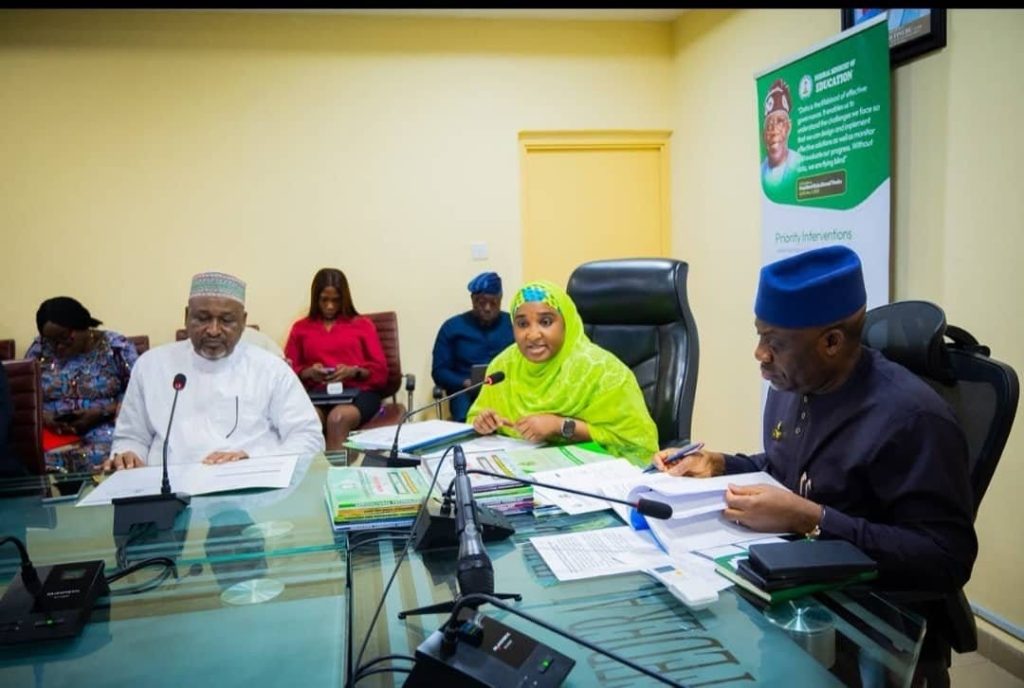
Against this backdrop, Tunji Alausa, Minister of Education, has commenced the repositioning of the Monotechnic and Technical Education Board, MBTE, to strengthen its capacity to effectively supervise and coordinate polytechnics, monotechnics and other technical institutions.
A KPMG-led assessment is being undertaken to identify institutional gaps and develop a functional organisational structure and operational framework for the agency.
Alausa says the reform is aimed at making MBTE a fit-for-purpose agency capable of driving technical and vocational education and training through practical skills, industry relevance, employability, and productivity.
He says polytechnic education is fundamentally part of the broader TVET ecosystem, noting that the ongoing curriculum review, supported by one billion naira from TETFund, has produced 27 new National Occupational Standards and reviewed four existing standards, bringing the total to 31.
The standards are designed to create a clearer skills pathway from artisan-level training through National Certificate, OND, and HND programmes.
KPMG Partner and Head of Tax, Regulatory and People Services, Adewale Ajayi, says Nigeria nevertheless performs strongly in the employability of TVET graduates, ranking second only to Singapore among the markets assessed.