




By Jelili Gbadamosi
Lawyers, human rights organisations and other stakeholders have called for amendments to the Abia State Centre for the Rehabilitation of Survivors of Rape, Defilement, Domestic Violence and Any Form of Human Trafficking Law No. 3 of 2026, to strengthen protection and access to justice for survivors.
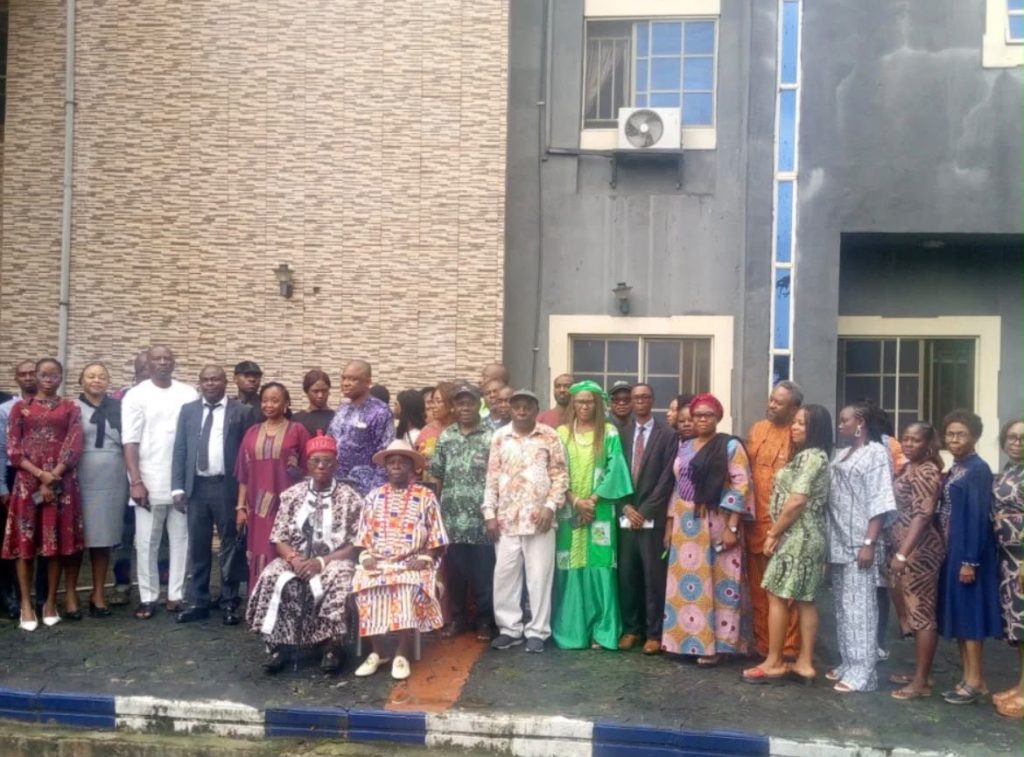
The stakeholders made the call on Friday at a sensitisation workshop organised by the African Centre for Human Advancement and Resource Support (CHARS-Africa) in Umuahia.
They urged the state government to incorporate additional provisions that would guarantee adequate legal protection, rehabilitation and justice for survivors of rape, gender-based violence and human trafficking.
Participants, including Chidinma Alozie, Ogbuagu Chidinma Pamela and David Anyaele, stressed the need for perpetrators of serious offences to face appropriate punishment in court.
They also cautioned against improper out-of-court settlements, noting that such arrangements must follow due process and should not undermine the rights of survivors or prevent them from obtaining justice.
The Abia State Coordinator of the Legal Aid Council of Nigeria, Obinna Odenigbo, called for stronger protection for rape survivors throughout the investigation, prosecution and rehabilitation processes.
Odenigbo said survivors should be provided with free legal representation and assistance in obtaining and preserving medical reports that could serve as evidence in court.
He also criticised insensitive questioning of rape survivors by law enforcement officers, warning that such treatment could cause further trauma and discourage victims from pursuing their cases.
“It is wrong for a police officer, during an investigation, to start asking a rape victim, ‘Are you not an adult?’” he said.
According to him, insensitive comments or questioning could worsen the psychological trauma experienced by survivors and, in some cases, make them lose interest in prosecuting their alleged attackers.
The stakeholders also recommended the inclusion of representatives of the Nigeria Police Force, Nigeria Security and Civil Defence Corps (NSCDC), practising journalists, the Abia State Ministry of Local Government and Chieftaincy Affairs and other relevant institutions on the governing board of the rehabilitation centre.
They further called for the provision of educational support for survivors, noting that the existing law does not make adequate provision for educational funding.
The participants also rejected claims that indecent dressing by young girls contributes to rape, describing such assertions as misplaced and potentially harmful to victims.
Meanwhile, the Executive Director of CHARS-Africa, Amaka Biachi, commended the Abia State Government for enacting the law but expressed concern over the low level of public awareness about its provisions.
Biachi said only about five per cent of Abia residents were aware of the law, stressing the need for wider public sensitisation to ensure that survivors and other residents understand the protections and opportunities available under the legislation.